
Creamy Traditional Bahian Cocada: Coconut Candy with Condensed Milk Recipe
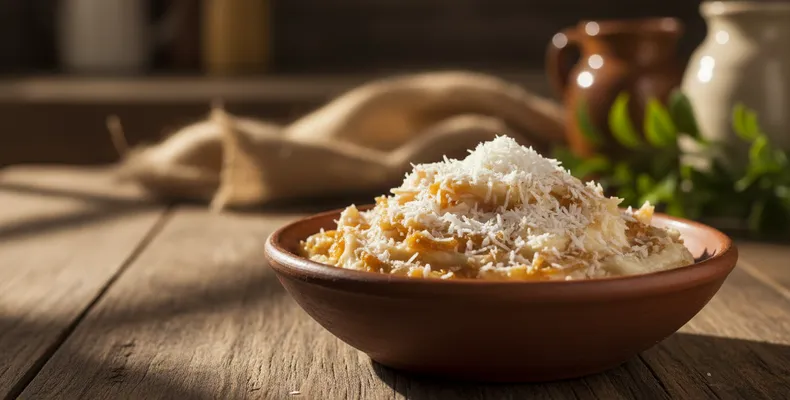
Few sweets capture the joy of Bahian cuisine as well as creamy cocada. With the unmistakable scent of fresh coconut and that soft texture that melts in your mouth, it's a sure presence at markets, on the busy streets of Salvador, and at party tables all over Bahia. If you want to bring a little piece of that sweet Northeast into your kitchen, you've come to the right place.
In this recipe you'll learn the complete step-by-step for creamy Bahian cocada made with coconut and condensed milk, plus tips for nailing the consistency, variations, storage ideas, and a bit of the history behind this beloved treat. Grab your apron and let's make this heartwarming sweet together.
Recipe Card
- Dish: Traditional creamy Bahian cocada
- Origin: Bahia, Brazil
- Region/tradition: Bahian cuisine
- Category: Dessert/sweet
- Difficulty: easy
- Preparation time: 40 minutes
- Yield: about 12 servings
Ingredients
- 1 fresh dry coconut, grated (about 3 cups of grated coconut)
- 1 can of condensed milk
- 1 cup of whole milk
- 1 cup of sugar
- 1 tablespoon of butter
- 1 pinch of salt
- A few tablespoons of dry grated coconut for finishing (optional)
Whenever possible, go for freshly grated coconut, since it releases more milk and makes the cocada much more aromatic and creamy. Packaged dry coconut works too, but the result comes out a bit firmer and less juicy.
How to Make It
- In a heavy-bottomed pot, add the grated coconut, condensed milk, whole milk, sugar, and the pinch of salt.
- Mix everything well with the heat still off, so the ingredients blend together before cooking.
- Place over medium heat and stir constantly with a wooden spoon or spatula.
- Keep stirring for about 12 to 18 minutes, until the cocada starts to pull away from the bottom of the pot and takes on a creamy but still soft consistency.
- Add the butter and stir a little more until incorporated.
- As soon as the candy is pulling away from the bottom but still glossy and gently dripping from the spoon, turn off the heat, keeping in mind that it firms up a bit as it cools.
- Transfer it while still hot to a serving dish or individual cups and finish with the reserved grated coconut on top.
Tips and Variations
- Use a heavy-bottomed pot to keep the candy from sticking and burning.
- Always stir over medium-low heat, patiently; high heat burns the sugar and leaves a bitter taste.
- The secret to creamy cocada is the consistency: it should be moist and soft, not dry and hardened.
- If you want a more golden cocada with a caramelized color, let it cook a few extra minutes, but watch closely so you don't overdo it.
- For a firmer baked cocada, add a few strained egg yolks at the end and cook a bit longer.
- For the classic burnt cocada, let it cook until nicely golden brown.
- For lighter versions, replace part of the sugar with a heat-safe sweetener and use reduced-sugar condensed milk.
- For a dark cocada, add grated rapadura (unrefined cane sugar) or brown sugar in place of part of the white sugar.
- Store it in the refrigerator, in a sealed container, for up to five days.
- Since it hardens in the cold, take it out a few minutes before serving so it returns to room temperature and regains its creaminess.
- If there are leftovers, warm them gently with a splash of milk to make it soft again.
- Freezing is not recommended, as the texture can become grainy after thawing.
- Per serving (about two tablespoons), it's estimated at around 180 to 220 calories, with a good amount of sugars and fats from the coconut, so enjoy it in moderation.
A Bit of the History of Bahian Cocada
Cocada is one of Brazil's most traditional sweets and has deep roots in Bahia, a land where coconut found fertile ground and became the star of countless recipes. Brought by the strong influence of Afro-Brazilian cuisine and the coconut trade in the region, it became a symbol of the baianas de tabuleiro (traditional Bahian women who sell food from street trays), who have sold the sweet on the streets of Salvador for generations. Each family keeps its own little secret for the consistency and the seasoning, which makes cocada a true cultural heritage. Now that you know its story and the step-by-step, all that's left is to roll up your sleeves and sweeten your day with this Bahian classic.