
Traditional Cuscuz Paulista: A Colorful Recipe with Sardines, Vegetables, and Eggs
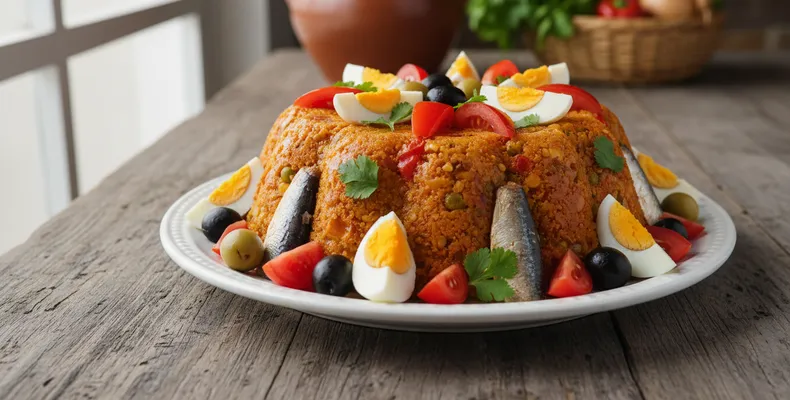
Cuscuz paulista is one of those recipes that carries emotional memory and flavor in every spoonful. Colorful, moist, and packed with fillings, it shows up at Sunday lunches, family gatherings, and picnics all over the countryside of São Paulo. Unlike the northeastern-style couscous, which is white and light, the paulista version is heartier, seasoned with tomato sauce and stuffed with sardines, vegetables, and eggs, all shaped in a beautiful mold that steals the show when it's time to serve.
If you've never had the courage to make this recipe at home because it seemed complicated, this article is for you. We'll break down each step calmly, share tips to help you get it right, and show you how to keep your cuscuz moist inside yet firm enough to unmold without falling apart. In the end, you'll have a mouthwatering dish that's worthy of a photo.
Cuscuz paulista has roots in Portuguese and African traditions adapted to Brazil, but it developed its own personality in the state of São Paulo. Over time, home cooks from the countryside enriched the recipe with the ingredients they had on hand, turning it into a festive, colorful dish. Today it's a symbol of São Paulo cuisine and a guaranteed presence at family gatherings.
Recipe Details
- Origin: Brazil, state of São Paulo
- Region/tradition: Brazilian (São Paulo cuisine)
- Category: Main course or cold starter
- Difficulty: medium
- Time: 1h30
- Yield: 8 servings
- Resting time: at least 30 minutes at room temperature or in the refrigerator
Ingredients — sauce and base
- 3 tablespoons olive oil
- 1 large onion, chopped
- 3 cloves garlic, crushed
- 1 green bell pepper, chopped
- 1 red bell pepper, chopped
- 2 ripe tomatoes, peeled, seeded, and chopped
- 1 can tomato paste or half a cup of tomato sauce
- Half a cup of chopped parsley and green onion
- Salt to taste
- Black pepper to taste
- A little hot water
Ingredients — filling and cornmeal
- 2 cans sardines in oil (drained, with the oil reserved)
- 1 can peas
- 1 can sweet corn
- Half a cup of sliced green olives
- 3 hard-boiled eggs, sliced
- 1 sliced tomato for decoration
- 2 and a half cups of flaked cornmeal (the kind meant for couscous)
- Chopped hearts of palm, if desired
- A few slices of sardine, egg, and olive set aside to decorate the bottom of the mold
Instructions
- Heat the olive oil in a large pot and sauté the onion and garlic until translucent.
- Add the bell peppers and sauté for a few minutes.
- Add the chopped tomatoes and cook until a thick sauce forms.
- Add the tomato paste, season with salt and pepper, and stir well.
- If the sauce gets too thick, add a little hot water to bring it to the consistency of a moist sauté.
- Add the sardines broken into large pieces, the peas, corn, olives, and chopped greens.
- Mix gently so as not to break everything apart and let it simmer for two or three minutes.
- Taste and adjust the salt.
- Turn off the heat and gradually add the cornmeal, stirring constantly, until the mixture is moist but still loose.
- Check the texture: when you squeeze a handful in your hand, it should hold its shape without crumbling completely.
- If it's too dry, use the reserved sardine oil or a little hot water to moisten it, without soaking.
- Grease a mold with a central hole, like a pudding mold, generously with olive oil.
- Line the bottom and sides with slices of tomato, hard-boiled egg, sardine, and olives, creating a pretty pattern.
- Add the cuscuz mixture little by little, pressing firmly with the back of a spoon to compact it and avoid gaps.
- Let the cuscuz rest in the mold for at least 30 minutes, at room temperature or in the refrigerator.
- When ready to serve, run a knife around the edges, place a plate on top, and flip firmly to unmold.
Tips and Variations
- Always reserve the sardine oil, as it adds flavor and helps moisten the cornmeal.
- Don't skimp on the sauté, since it's what gives the dish its characteristic reddish color.
- Check the salt level before adding the cornmeal, because it's harder to fix afterward.
- The more firmly you compact the mixture in the mold, the better it will unmold.
- For an even moister cuscuz, serve with slices of tomato and lime on the side.
- You can swap the sardines for tuna, shredded chicken, or even shrimp for a special version.
- The peas and corn can be replaced with grated carrot, green beans, or hearts of palm, depending on your taste.
- Anyone who doesn't eat fish can make a well-seasoned vegetarian version with just vegetables and eggs.
- Cuscuz paulista keeps well in the refrigerator for up to three days, covered, and tends to taste even better the next day.
Each serving of cuscuz paulista has approximately 280 to 350 calories, varying according to the amount of oil and filling. It's a dish that combines carbohydrates from the cornmeal, protein from the sardines and eggs, plus fiber and vitamins from the vegetables. That's why it works well as a complete meal, especially paired with a fresh green salad. A simple recipe, made with love, that can become a tradition passed down from generation to generation.