
Minas-Style Tutu de Feijão: Traditional Recipe with Cassava Flour
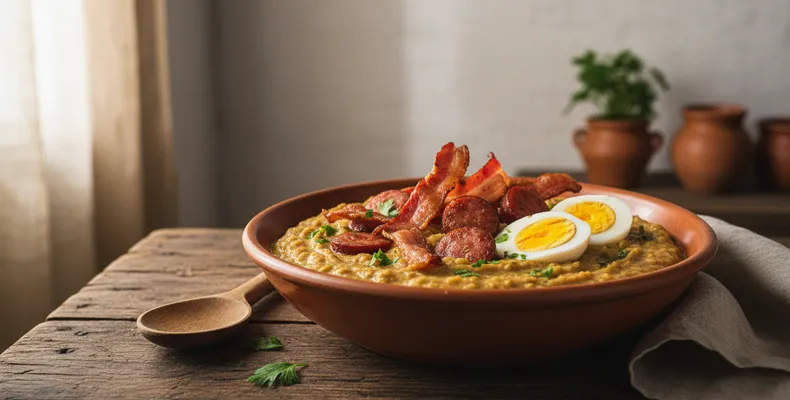
Few dishes capture the soul of Minas Gerais cooking as well as tutu de feijão. Creamy, hearty, and full of seasoning, it's born from the simple meeting of cooked beans and cassava flour, two ingredients that have graced Brazilian tables for generations. The result is a comforting dish, the kind that fills the house with a wonderful aroma and brings back memories of Sunday lunch at grandma's house.
If you want to learn how to prepare this traditional recipe from scratch, you've come to the right place. In this article we'll explain everything step by step: the ingredients, the method, tips for getting the consistency right, possible substitutions, how to store it, and even a little of the history behind this beloved dish. Shall we roll up our sleeves together?
Recipe Card
- Title: Traditional Minas-style tutu de feijão
- Origin: Brazil
- Region/tradition: Minas Gerais (mineira cuisine)
- Category: Side dish or main course
- Difficulty: medium
- Time: 1h30 (including cooking the beans)
- Yield: 8 servings
Ingredients — beans
- 500 grams of carioca beans (or black beans, as preferred)
- Enough water for cooking
- 2 bay leaves
- Salt to taste
Ingredients — sauté and assembly
- 200 grams of diced bacon
- 200 grams of calabresa sausage or paio, sliced into rounds
- 1 large onion, chopped
- 4 cloves of garlic, crushed
- 3 tablespoons of oil or lard
- Chopped parsley and green onion (cheiro-verde) to taste
- Black pepper to taste
- About 2 cups of cassava flour
- Hard-boiled eggs to serve alongside
- Sautéed collard greens (couve) to serve alongside
Method
- If possible, soak the beans for a few hours beforehand to make cooking easier and the beans more tender
- Cook the beans in a pressure cooker with water, the bay leaves, and a little salt until they're very tender
- Drain part of the cooking liquid, setting it aside, as it will be used to make the tutu creamy
- Blend half of the beans with a bit of the cooking liquid in a blender, or mash them with a fork, leaving some whole beans for texture
- In a large pot, fry the bacon until golden and the fat is released
- Add the sausage and sauté well
- Add the onion and garlic, stirring until golden and fragrant
- Add the blended beans along with the remaining whole beans and let it simmer for a few minutes, adjusting the salt and pepper
- With the beans simmering, gradually add the cassava flour, always stirring with a wooden spoon so it doesn't clump
- Keep stirring until it forms a smooth, thick cream that's still creamy
- If it becomes too firm, add a little of the reserved cooking liquid
- Finish with cheiro-verde and serve hot
Tips and Variations
- The secret of the tutu is in the consistency: it should be neither dry nor stiff
- Add the flour slowly, tasting and feeling the texture, because the exact amount varies depending on the type of flour and the moisture of the beans
- Stirring constantly is essential to avoid lumps
- Don't skimp on the bacon and sausage sauté, as it's what gives the dish its deep mineira flavor
- Serve with white rice, sautéed collard greens, torresmo (pork cracklings), and a hard-boiled egg to turn the dish into a complete meal
- For a lighter or vegetarian version, skip the bacon and sausage, boosting the seasoning with olive oil, garlic, onion, and a touch of smoked paprika
- Cassava flour can be replaced with corn flour, resulting in a variation with slightly different texture and flavor
- Black beans also work very well and give the dish a darker color and more intense flavor
- To store, keep the tutu in a sealed container in the refrigerator for up to 3 days
- When reheating, add a little water or bean broth and stir, since it tends to firm up after cooling
- The tutu can also be frozen for up to 2 months; in that case, thaw it in the refrigerator before reheating to better preserve the texture
Tutu de feijão is a direct inheritance of the blend of cultures that shaped mineira cuisine. Cassava flour, the base of the dish, comes from Indigenous tradition, while the beans and the sautéing techniques carry African and Portuguese influences. In the days of the gold mines and the long journeys of the tropeiros (cattle and mule drovers), dishes like this were prized for being cheap, nutritious, and capable of satisfying the hunger of those who worked hard. To this day, tutu holds a place of honor on the mineira table, especially at family lunches, proving that simple food made with care is what warms the heart the most.