
Traditional Bahian Acarajé: Black-Eyed Pea Fritters Fried in Dendê Oil
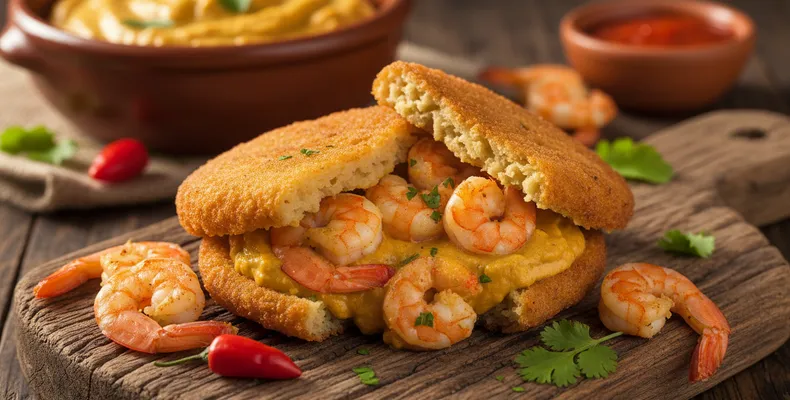
Few delicacies capture the soul of Bahia quite like acarajé. That golden, crispy black-eyed pea fritter, fried in dendê (palm) oil and served piping hot, stuffed with vatapá, caruru, salad, and shrimp, is far more than a snack: it's history, it's faith, and it's celebration. If you've always wanted to recreate this delicacy at home, it's time to roll up your sleeves and dive into this recipe full of tradition.
Making real acarajé takes effort, we won't lie. But every step is worth it when you bite into that fritter, crispy on the outside, soft inside, and bursting with flavor. In this article, we'll go through the complete recipe details, the step-by-step instructions, tips from experienced baianas (Bahian street vendors), possible substitutions, storage tips, and a bit of the history of this Brazilian treasure.
Recipe Details
- Dish: Traditional Bahian acarajé
- Origin: Bahia, Brazil (with African Yoruba roots)
- Region/tradition: Bahian and Afro-Brazilian cuisine
- Category: Savory snack/treat
- Difficulty: medium to high
- Time: about 12h soaking the beans plus 2h of preparation
- Yield: approximately 12 to 15 fritters
Ingredients — Acarajé batter
- 500 g (about 2 1/2 cups) dried black-eyed peas
- 1 medium onion
- 1 teaspoon salt
- Dendê (palm) oil, enough for frying (about 1 liter, since the fritters are deep-fried)
Ingredients — Vatapá
- 4 slices of day-old sandwich bread (or 200 g / about 2 cups breadcrumbs)
- 200 ml (about 3/4 cup) coconut milk
- 100 g (about 3/4 cup) roasted, skinless peanuts
- 100 g (about 3/4 cup) cashews
- 1 onion
- 2 cloves of garlic
- Ginger to taste
- Dried shrimp
- 3 tablespoons dendê (palm) oil
- Salt to taste
Ingredients — Accompaniments
- Dried or fresh shrimp
- Tomato
- Onion
- Chili pepper to taste
- Greens for the caruru, if you want the full version
Instructions
- Soak the black-eyed peas in water for about 12 hours, or overnight.
- Rub the beans between your hands in the water to loosen the skins, which will float to the top, and remove them with a slotted spoon; repeat until most of the skins are gone.
- Blend the skinned beans in a food processor or blender along with the onion until you get a smooth, firm batter.
- Season with salt and beat the batter well with a wooden spoon or in a mixer for a few minutes to incorporate air; the ideal texture is firm enough to shape fritters using two spoons.
- Heat plenty of dendê oil in a deep pan.
- Using two spoons, shape the fritters into an oval and carefully drop them into the hot dendê oil.
- Fry until golden on both sides, turning carefully; remove and drain on paper towels.
- For the vatapá, sauté the onion, garlic, and ginger in dendê oil.
- Add the ground cashews and peanuts and the bread softened in coconut milk, cooking until it becomes a thick cream.
- Cut the acarajé in half without separating it completely, like a sandwich.
- Stuff it with a generous portion of vatapá, caruru if you have it, tomato and onion salad, shrimp, and chili pepper to taste.
- Serve immediately, still hot, to enjoy all the crispiness.
Tips, substitutions, and storage
- The golden tip from the baianas is to beat the batter well: that's what guarantees lightness.
- If the batter is too soft, let it rest in the fridge to firm up before frying.
- The dendê oil needs to be very hot, but not smoking, so the fritter doesn't burn on the outside and stay raw inside.
- If you can't easily find skinned black-eyed peas, look for the pre-peeled version at markets, which saves time.
- Those who don't enjoy the strong flavor of dendê can fry in a mix of neutral oil with a little dendê, though the result strays from the traditional.
- In the vatapá, the cashews can be replaced with more peanuts.
- Fresh shrimp can be used instead of dried.
- For storage, it's best to fry them fresh, but the raw batter lasts up to 2 days in the fridge.
- The vatapá keeps for 3 days refrigerated and can be frozen for up to a month.
Because it's fried and rich in dendê oil, nuts, and shrimp, acarajé is quite calorie-dense. One stuffed fritter can have around 250 to 350 calories, depending on size and amount of filling, with a good dose of protein from the beans and shrimp, fats from the dendê and nuts, plus fiber. It's a food to savor with pleasure, without overdoing it in everyday life.
Acarajé arrived in Brazil at the hands of enslaved African women, especially the Yoruba people, and it is closely tied to Candomblé, being an offering to the orixá Iansã. In the streets of Salvador, the baianas de acarajé, with their white outfits and trays, keep alive this tradition that has become part of Brazil's Cultural Heritage. Preparing this treat at home is a loving way to honor this incredibly rich legacy. Bon appétit and axé!