
Traditional Bahian Caruru: Okra Recipe with Dried Shrimp, Dendê Oil and Peanuts
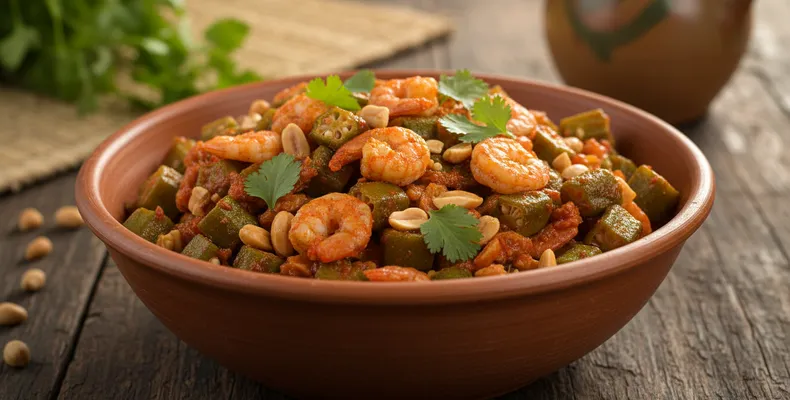
Few dishes capture the soul of Bahian cuisine as well as caruru. Made with fresh okra, dried shrimp, dendê oil (red palm oil), peanuts and cashews, every spoonful carries centuries of tradition, faith and affection. If you've always wanted to make this delicacy at home, you've come to the right place. Here at Ui Delícia, we'll guide you step by step so the result comes out creamy, flavorful and full of that seasoning only Bahia knows how to create.
Caruru is a versatile dish: it can be served as a side with white rice and vatapá (a creamy shrimp and bread paste), or as the star of a special meal. Many people are wary because of the texture of okra, but with the right tips you'll see it's simpler than it seems. Shall we take this flavorful journey together?
Recipe overview
- Dish: traditional Bahian caruru
- Origin: Brazil
- Region/tradition: Bahian, with strong African influence
- Category: main dish or side
- Difficulty: medium
- Prep time: 1h30
- Yield: 8 servings
Ingredients
- 1 kg (about 2.2 lb) fresh, firm okra
- 200 g (about 7 oz) peeled dried shrimp
- 150 g (about 1 cup) roasted, skinless peanuts
- 100 g (about 3/4 cup) roasted cashews
- 1 large onion, chopped
- 4 garlic cloves, crushed
- 1 ripe tomato, chopped
- 1 red chili pepper (dedo-de-moça, optional)
- Half a cup of dendê oil (red palm oil)
- Grated ginger to taste
- Chopped cilantro and green onion
- Salt to taste
- Water or shrimp stock as needed
- A few larger dried shrimp set aside for garnish (optional)
Directions
- Wash the okra well, dry it completely with a clean cloth and cut into thin rounds; drying is essential to reduce the sliminess, so set it aside.
- Soak the dried shrimp in warm water for about 15 minutes to rehydrate and remove excess salt, then drain.
- Blend the peanuts and cashews in a blender or food processor until you get a coarse meal, and set aside.
- In a large pot, heat a little of the dendê oil and sauté the onion, garlic, tomato, ginger and chili until soft and fragrant.
- Add the dried shrimp and sauté for a few more minutes, stirring to absorb the seasoning.
- Add the sliced okra and sauté over medium heat, stirring gently, until it begins to soften.
- Add the peanut and cashew mixture along with a little water or stock, a bit at a time, stirring constantly to avoid lumps.
- Let it cook for about 30 to 40 minutes, until the caruru becomes thick and creamy.
- In the last few minutes, add the rest of the dendê oil, adjust the salt and finish with chopped cilantro and green onion.
Tips and variations
- To control the okra's sliminess: dry it very well before cutting, use a sharp knife and avoid stirring too much at the start of cooking.
- Some cooks like to sauté the okra separately with a squeeze of lime before adding it to the rest, which also helps.
- Add the dendê oil little by little, tasting as you go, so the strong flavor doesn't overwhelm your palate.
- For a more rustic caruru, leave larger pieces of peanut and cashew; for a finer, smoother texture, blend the ingredients well.
- The ideal point is when the caruru is creamy but the okra is still whole and tender, without turning into mush.
- If you can't find dried shrimp, use cooked fresh shrimp, adjusting the salt, though the traditional flavor really comes from the dried shrimp.
- The peanuts can be swapped for more cashews, and vice versa, according to preference.
- For a vegetarian version, make the caruru with just okra, dendê oil and the nuts, leaving out the shrimp, even though it strays a bit from the classic preparation.
- Dendê oil is irreplaceable for the authentic flavor, but those not used to it can reduce the amount.
- Store in the refrigerator for up to three days in a sealed container.
- Freeze for up to two months, although the okra's texture changes slightly after thawing.
- To reheat, use low heat and add a little water or stock, stirring constantly to restore the creaminess.
Each serving of caruru has approximately 280 to 350 calories, varying with the amount of dendê oil and nuts. It's a dish rich in protein, thanks to the shrimp, and in good fats from the peanuts and cashews. The okra also contributes fiber, vitamins and minerals. Keep in mind that, because it contains dendê oil and shrimp, it's a more calorie-dense dish and should be enjoyed in moderation.
Caruru has deep roots in Afro-Brazilian culture and is one of the most symbolic dishes of Bahia. Strongly tied to Candomblé traditions, it is offered at religious festivals dedicated to Ibeji, the twin orixás, in the so-called Festa de Cosme e Damião (Feast of Cosmas and Damian). Over time, caruru transcended the sacred realm and reached tables across the country, becoming synonymous with Bahian hospitality and culinary richness. Making this recipe at home is more than cooking—it's celebrating a story of resistance, faith and flavor. Enjoy, and let us know how your caruru turned out!