
Traditional Gaucho Ambrosia: A Creamy Egg Custard Dessert with Milk and Cinnamon
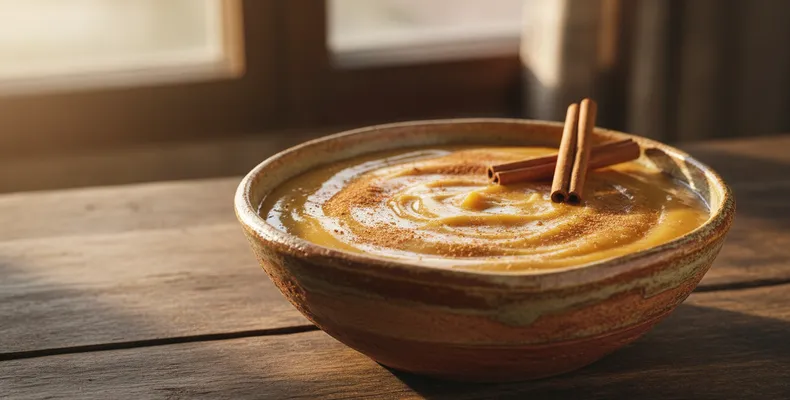
Few desserts can stir up as many memories as ambrosia. That cinnamon aroma that fills the kitchen, the golden bits of cooked egg, and the fragrant syrup make this dessert a true gem of gaucho tradition. If you grew up watching a family member make this treat on a wood stove or on the regular kitchen stove, you already know that ambrosia has the power to bring everyone together at the table.
In this article, we'll tell you everything about gaucho ambrosia: the complete recipe details, a step-by-step guide, tips for getting the consistency just right, possible substitutions, how to store it, and a bit of the history behind this dessert that has been passed down through generations. Get your eggs and cinnamon ready, and let's make this creamy delight together.
Recipe overview
- Dish: Traditional gaucho ambrosia
- Origin: Portuguese, with a strong tradition in Rio Grande do Sul
- Region/tradition: Gaucho
- Category: Dessert
- Difficulty: Medium
- Time: 1h30
- Yield: 8 servings
Ingredients
- 1 liter (about 4 cups) whole milk
- 6 whole eggs
- 2 extra egg yolks (optional, for added creaminess)
- 2 cups sugar
- Peel of 1 lemon
- 2 cinnamon sticks
- Whole cloves to taste (about 4)
- 1 tablespoon lemon juice (optional, to help curdle the milk)
Directions
- Beat the eggs and yolks in a bowl, just enough to combine without incorporating too much air, and set aside.
- In a large, wide-bottomed pot, combine the milk, sugar, lemon peel, cinnamon sticks, and cloves.
- Cook over medium heat, stirring occasionally, until the sugar has completely dissolved and the milk begins to warm up.
- When the milk is hot but before it boils, gradually add the beaten eggs, stirring gently, until the milk curdles and forms the characteristic little pieces.
- If you want to speed up the process, add the tablespoon of lemon juice.
- Keep the heat low and stir carefully, without breaking up the pieces too much, so the syrup reduces and takes on color.
- Cook for about 40 to 60 minutes, always over low heat, until the syrup turns golden and thick and the egg pieces are well cooked.
- Once it reaches the consistency you like, turn off the heat and remove the lemon peel, cinnamon sticks, and cloves.
- Let it cool slightly before serving.
Tips and variations
- The secret to a good ambrosia is patience: low heat is essential so the dessert cooks evenly and doesn't burn on the bottom of the pot.
- Stir gently, just enough to loosen the bottom, without breaking apart the egg pieces.
- If the milk doesn't curdle on its own, a splash of lemon juice will do the trick.
- Don't rush: ambrosia tastes even better when the syrup reduces slowly and takes on a golden caramel color.
- Use a heavy-bottomed pot, which distributes heat better and keeps the dessert from sticking.
- Taste the syrup at the end and adjust the sugar to your liking, keeping in mind that traditional ambrosia tends to be quite sweet.
- Served cold, it becomes even creamier and more refreshing.
- For a lighter version, use semi-skimmed milk, though ambrosia made with whole milk is creamier.
- Replace part of the milk with condensed milk for an even richer, sweeter treat.
- Swap the lemon peel for orange peel to bring a different citrus fragrance.
- To intensify the flavor, add a spoonful of white wine or port wine to the syrup, a legacy of the Portuguese tradition.
- Store the ambrosia in the refrigerator in a sealed container, where it will keep well for up to 5 days.
- It's not recommended for freezing, as the texture of the syrup and egg pieces may change.
- In approximate nutritional terms, each serving has about 250 to 300 calories, rich in sugars and in proteins from the eggs and milk, so it's worth enjoying in moderation.
Ambrosia has its roots in Portuguese cuisine and arrived in Brazil during the colonial period, spreading across many regions. In Rio Grande do Sul, it earned a beloved place in family kitchens, prepared for parties, Sunday lunches, and special occasions. The name is a reference to the food of the gods in Greek mythology, and this dessert truly has something divine about its aroma and flavor. Making an ambrosia is, above all, a gesture of affection that keeps a delicious tradition alive. Now that you know all the secrets, it's time to roll up your sleeves and sweeten your day.