
Traditional Gaúcho Wine Sagu: The Highland Dessert with Tapioca Pearls in Red Wine
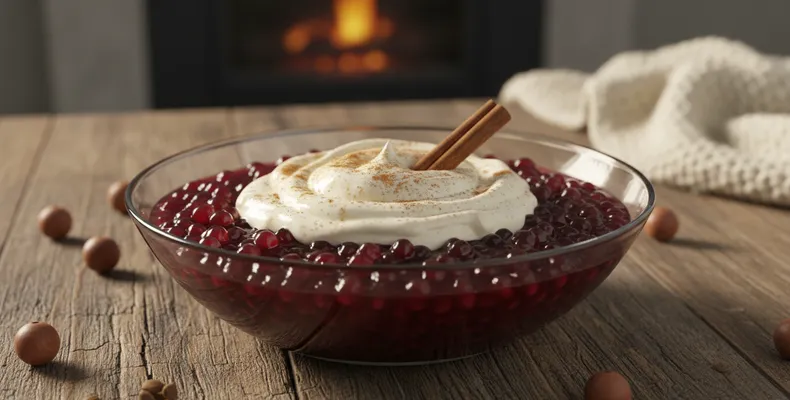
Few desserts capture the climate and soul of the Serra Gaúcha (the mountainous wine region of southern Brazil) as well as wine sagu. With its deep ruby color, aroma of cinnamon and clove, and the soft texture of tapioca pearls, it's a guaranteed presence on family tables during the cold days of southern Brazil. If you've never made it, get ready to fall in love: it's a simple, budget-friendly recipe full of cherished memories.
In this article, you'll find the complete recipe card, a detailed step-by-step guide, tips for getting the pearls just right, substitution suggestions, how to store it, and even a bit of the history behind this treat so beloved by the Gaúchos. Shall we roll up our sleeves together?
Recipe Card
- Dish: Traditional Gaúcho wine sagu
- Origin: Brazil, with strong influence from Italian colonization in Rio Grande do Sul
- Region/tradition: Gaúcho cuisine, especially from the Serra Gaúcha
- Category: Dessert
- Difficulty: easy to medium
- Prep time: about 1 hour
- Refrigeration time: 3 to 4 hours
- Yield: approximately 6 to 8 servings
Ingredients — Sagu
- 1 cup of sagu (small cassava starch balls, also called tapioca pearls)
- 1 bottle of dry or sweet red wine, about 750 ml
- 3 cups of water
- 1 cup of sugar, adjustable depending on the wine
- 1 cinnamon stick
- 3 to 4 whole cloves
- Peel of half an orange (optional, but adds a special fragrance)
Ingredients — Vanilla Cream (to serve alongside)
- 500 ml of milk
- 2 tablespoons of cornstarch
- Half a cup of sugar
- 2 egg yolks
- 1 teaspoon of vanilla extract
To serve, the classic pairing is with vanilla cream or fresh cream (nata).
Instructions
- Soak the sagu in cold water for about 30 minutes to hydrate the pearls and reduce cooking time.
- Drain the water well in a sieve and set aside.
- In a pot, combine the wine, water, sugar, cinnamon stick, cloves, and orange peel.
- Bring to a boil over medium heat.
- As soon as it comes to a boil, add the drained sagu and stir.
- Cook over low heat, stirring frequently so the pearls don't stick to the bottom, for about 25 to 40 minutes.
- Cook until the pearls become translucent, with no white spot in the center; add a little more hot water if needed.
- When the sagu is glossy and the syrup slightly thickened, turn off the heat and remove the cinnamon, cloves, and orange peel.
- Transfer the sagu to a serving dish or individual cups and refrigerate for at least 3 hours.
- Serve well chilled, topped with the vanilla cream.
Tips and Variations
- The golden rule is to stir constantly and cook over low heat: sagu burns and clumps easily if left unattended.
- Choose a good-quality wine, even a simple one, because the dessert's flavor depends heavily on it.
- Very acidic wines may require a bit more sugar to balance.
- Taste the syrup before removing it from the heat and adjust the sweetness to your liking.
- It thickens considerably as it cools, so don't be alarmed by the still-liquid consistency when hot.
- For an alcohol-free version, replace the wine with whole grape juice, reducing the sugar since the juice tends to be sweeter.
- Swap part of the wine for grape juice for a milder version, ideal for children.
- Instead of orange, some families use lemon zest.
- If you can't find sagu, use granulated tapioca, adjusting the cooking time according to the size of the pearls.
- It keeps well in the refrigerator, in a sealed container, for up to 4 days.
- If it becomes too firm, just stir it or add a splash of water.
- Freezing is not recommended, as the pearls lose their texture.
- In approximate nutritional terms, one serving has around 180 to 220 calories, rich in carbohydrates due to the cassava starch and sugar, with low fat content when served without the cream.
Sagu arrived in Brazil with a strong presence in the kitchens of the Italian immigrants who colonized the Serra Gaúcha starting in the late 19th century. In the grape- and wine-producing regions, it was only natural for the dessert to take on a version made with red wine, taking advantage of the product so typical of the area. Over time, wine sagu became a symbol of Gaúcho hospitality, served at Sunday lunches, family celebrations, and dinners on cold days. Making this recipe at home is, in a way, keeping alive a tradition that spans generations. Now all that's left is to gather the ingredients, call the ones you love, and savor every spoonful of this highland delight.